How Much Wind Does It Take to Damage Roof Shingles?
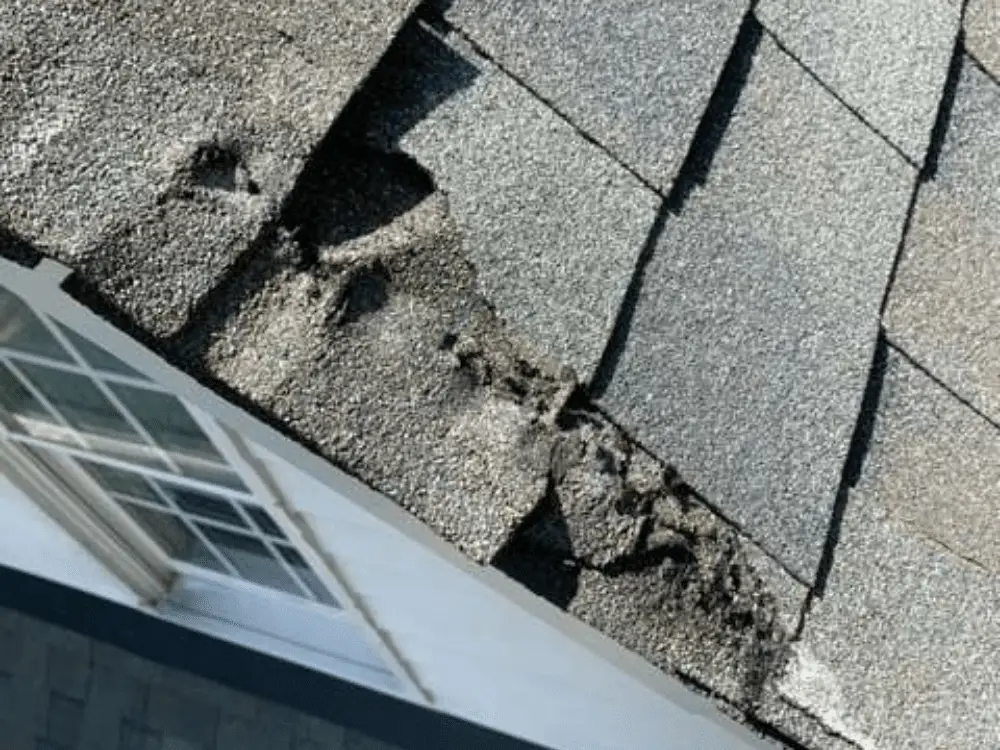
Roof shingle damage can occur at a variety of wind speeds depending on the age of the roof, the condition of the shingles, installation quality, roof design, and exposure to surrounding weather conditions. Strong winds can loosen, crease, lift, or remove shingles, creating opportunities for water intrusion and future roof leaks.
While newer roofing systems are generally designed to resist higher wind speeds, no roof is completely immune to severe weather. Homeowners throughout the Triangle often experience thunderstorms, tropical systems, and wind-driven rain that can damage roofing materials even when the damage is not immediately visible from the ground.
Why Wind Damages Roof Shingles
Wind creates uplift pressure on roofing materials. As wind moves across the roof surface, it can lift shingle edges and place stress on seal strips and fasteners.
Over time, repeated exposure to wind may cause:
- Lifted shingles
- Broken seal strips
- Creased shingles
- Loose fasteners
- Missing shingles
- Exposed underlayment
- Water intrusion
The amount of damage often depends on the condition of the roofing system before the storm occurred.
Factors That Affect Wind Resistance
| Factor | Why It Matters |
|---|---|
| Roof Age | Older shingles may become brittle and less resistant to wind uplift. |
| Installation Quality | Improper fastening can reduce wind performance. |
| Roof Design | Corners, ridges, and roof edges experience greater wind forces. |
| Tree Exposure | Falling limbs and debris can accompany high-wind events. |
| Previous Storm Damage | Existing weaknesses can worsen during subsequent storms. |
| Shingle Condition | Cracked, curled, or aging shingles may be more vulnerable. |
Why One Roof Loses Shingles While Another Does Not
Homeowners are often surprised when one house loses shingles while neighboring homes appear unaffected.
Possible reasons include:
- Differences in roof age
- Different roofing materials
- Previous storm damage
- Installation quality
- Unique wind patterns around the home
- Tree coverage and debris exposure
- Differences in roof shape and slope
Even homes on the same street can experience significantly different wind-related damage.
Signs of Wind Damage to Roof Shingles
Some storm damage can be seen from the ground, while other issues may require a roof inspection.
Common warning signs include:
- Missing shingles
- Lifted shingle edges
- Creased shingles
- Granules collecting in gutters
- Visible roof debris
- Shingle pieces in the yard
- Interior ceiling stains
- Water intrusion after storms
Not all wind damage causes immediate leaks, which is why many problems remain hidden until a future storm.
Can Wind-Damaged Shingles Lead to Roof Leaks?
Yes. Wind damage can create openings that allow water to reach roofing components beneath the shingles.
Potential consequences include:
- Roof leaks
- Damaged underlayment
- Wet insulation
- Roof decking deterioration
- Interior ceiling damage
- Mold-related moisture concerns
The visible leak may not appear directly beneath the damaged area because water can travel before becoming visible indoors.
Should You Inspect the Roof After a Windstorm?
After a significant wind event, many homeowners benefit from a professional roof inspection.
An inspection may identify:
- Missing shingles
- Lifted shingles
- Flashing damage
- Vent damage
- Tree-impact damage
- Debris-related issues
- Early signs of water intrusion
Identifying damage early may help prevent more extensive repairs later.
What Should You Do If You Find Missing Shingles?
- Stay off the roof.
- Photograph visible damage from the ground if it is safe to do so.
- Look for shingle pieces around the property.
- Check interior ceilings for signs of water intrusion.
- Schedule a professional roof inspection.
- Address confirmed damage before future storms create additional issues.
Repair or Replacement?
| Repair May Be Practical When | Replacement May Deserve Consideration When |
|---|---|
| Damage is isolated | Damage affects multiple roof sections |
| Matching shingles are available | Matching materials are unavailable |
| Surrounding shingles remain serviceable | Widespread deterioration exists |
| The roof is otherwise performing well | Repeated repairs are occurring |
| The source of damage is limited | Storm damage is extensive |
The best solution depends on inspection findings rather than the number of shingles involved alone.
How Triangle Weather Contributes to Wind Damage
Homes throughout Apex, Cary, Holly Springs, Raleigh, Morrisville, Fuquay-Varina, Durham, Chapel Hill, and surrounding communities regularly experience conditions that can affect roofing systems.
These include:
- Severe thunderstorms
- Tropical systems
- Hurricane remnants
- Wind-driven rain
- Falling tree limbs
- Heavy pollen and debris accumulation
- Seasonal temperature changes
Because many homes throughout the Triangle have mature tree canopies, storm-related debris is often a contributing factor when roof damage occurs.

Frequently Asked Questions
Can strong wind damage a roof without removing shingles?
Yes. Wind can loosen seals, crease shingles, and create hidden damage even when shingles remain in place.
Do missing shingles always mean the roof leaks?
Not always. However, missing shingles increase the risk of water intrusion and should be evaluated promptly.
How can I tell if my roof suffered wind damage?
Common signs include missing shingles, lifted shingles, shingle debris in the yard, exposed roofing materials, and interior water stains.
Should I inspect my roof after every major storm?
After significant wind events, a professional inspection can help identify damage that may not be visible from the ground.
Can wind damage be repaired without replacing the roof?
Many wind-damage situations involve localized repairs. Replacement may be considered when damage is widespread or the roofing system is nearing the end of its useful life.
[mrn_snippet slug=”footer”]