Understanding the Difference Between Blandex and OSB Roof Sheathing
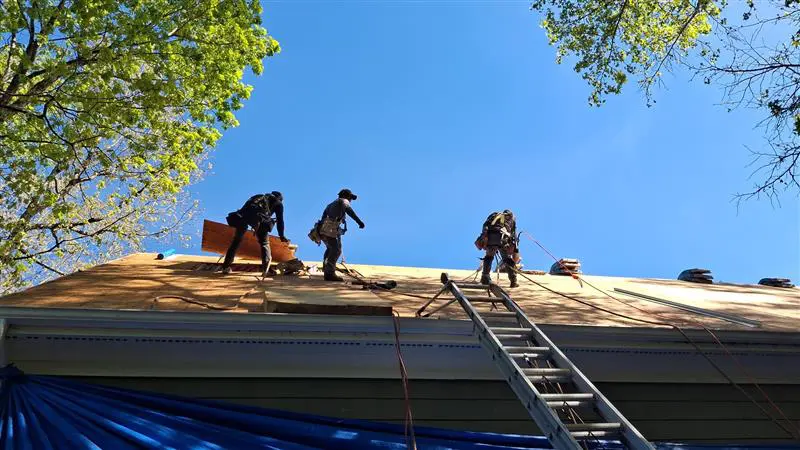
Roof sheathing isn’t something most North Carolina homeowners think about—until it becomes an issue during a roof replacement or repair. When the old shingles are removed, homeowners are often asked to choose between OSB and Blandex roof decking.
Both materials are allowed by building code, but they perform very differently in North Carolina’s heat, humidity, and storm conditions. This guide explains the real differences so homeowners in Apex, Cary, Raleigh, and the surrounding Triangle can make an informed decision.
1. What Roof Sheathing Does (and Why It Matters in NC)
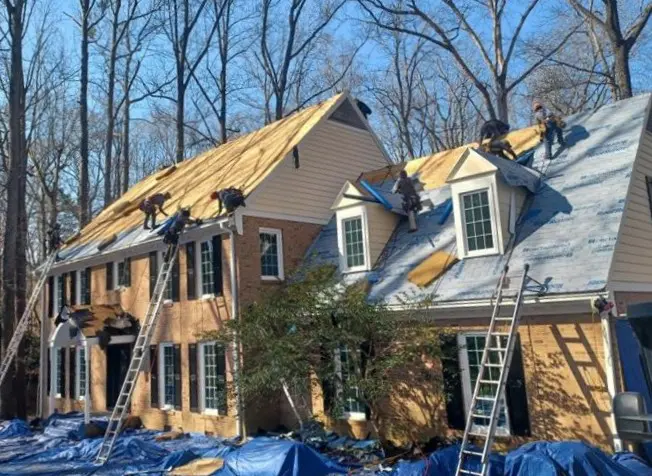
Roof sheathing—also called roof decking—is the wood layer installed directly on roof trusses or rafters. Underlayment, shingles, and flashing are all fastened to this surface.
In North Carolina, roof decking must handle:
- High summer heat and humidity
- Heavy rainfall and moisture exposure
- Wind uplift during strong storms
- Condensation from attic ventilation issues
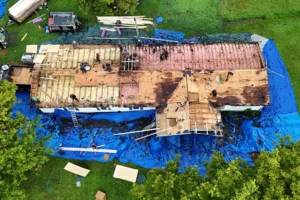
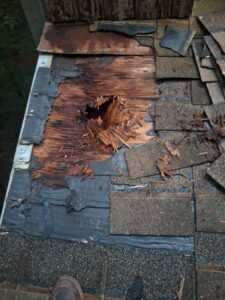
If roof decking deteriorates, the shingles above it often fail early—regardless of their quality.
Learn more about local roof decking issues here:
https://artisanqualityroofing.com/roof-decking-in-apex-nc/
2. What Is OSB Roof Sheathing?
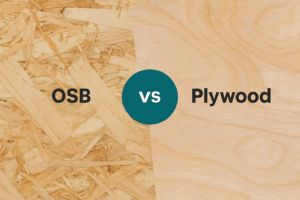
OSB (Oriented Strand Board) is made from small wood strands bonded together with resin and compressed into sheets. It is widely used in residential construction.
Why OSB is commonly used:
- Lower upfront cost
- Consistent thickness
- Readily available and code approved
Limitations in North Carolina’s climate:
- Absorbs moisture and dries slowly
- Edges can swell after repeated wetting
- Nail holding strength decreases once swelling occurs
In humid areas like the Triangle, long-term moisture retention is the biggest drawback of OSB decking.
3. What Is Blandex Roof Sheathing?
Blandex is a high‑density engineered plywood roof panel made from layered wood veneer rather than strands.
Key characteristics of Blandex:
- Stronger fastener and nail‑holding ability
- Better tolerance for wet‑dry cycles
- Improved long‑term stability in humid environments
Blandex is often selected as an upgraded decking option during roof replacement, especially for homes with prior moisture or ventilation issues.
4. Blandex vs OSB: Performance Comparison
Moisture resistance
OSB tends to hold moisture and swell at edges.
Blandex dries more efficiently and maintains its structure.
Fastener holding
OSB performs adequately when dry but weakens after moisture exposure.
Blandex maintains stronger nail grip over time.
Durability in NC climate
OSB is functional but less forgiving.
Blandex performs better in heat, humidity, and storm conditions.
Cost
OSB has a lower upfront cost.
Blandex costs more initially but may reduce long‑term risk.
5. When Blandex Makes More Sense in North Carolina
Blandex is often worth considering when:
- Re‑decking after wood rot or storm damage
- Replacing an older roof with ventilation concerns
- Installing architectural or dimensional shingles
- Planning to stay in the home long‑term
Homes in Cary, Apex, and heavily wooded areas of Wake County experience higher moisture exposure, making decking choice more impactful.
6. How Sheathing Choice Affects Roof Replacement and Warranties
Roof decking plays a role in:
- Shingle performance
- Manufacturer warranty eligibility
- Insurance claim outcomes after storm damage
If shingles fail early due to decking issues, warranty coverage may be limited—even when high‑quality materials were installed.
Water management also matters. Poor drainage or overflowing gutters can accelerate decking damage. For gutter‑specific issues, see:
https://qseamlessgutters.com/
Closing Thoughts
Both OSB and Blandex meet North Carolina building code requirements, but they do not perform the same over time. OSB can work when conditions are ideal. Blandex provides an added margin of protection in humid, storm‑prone environments.
The right choice depends on the home, the roofing system, and long‑term expectations—not just price.
FAQ: Blandex vs. OSB Roof Sheathing in North Carolina
What is the main difference between Blandex and OSB roof sheathing?
Blandex is a fiberboard product, while OSB is a wood‑strand engineered panel. OSB is stronger, more durable, and better suited for modern roofing systems.
Is Blandex still used in North Carolina homes?
Blandex was common in older homes but is rarely used today. Most modern roof replacements in NC use OSB or plywood for improved strength and moisture resistance.
Why is OSB preferred for roof replacements?
OSB offers superior structural support, better nail‑holding strength, and improved performance during storms and high winds common in the Raleigh–Durham area.
Does Blandex cause roofing problems?
Blandex can soften, swell, or deteriorate when exposed to moisture. This often leads to poor shingle adhesion and increased risk of leaks over time.
Should homeowners replace Blandex with OSB during a roof replacement?
Yes. Replacing Blandex with OSB ensures a stronger deck, better shingle installation, and longer roof lifespan, especially in North Carolina’s humid climate.
Get your free inspection today—no obligation, perfect for on-the-go homeowners.
Schedule Your FREE Roof Inspection Now
Call: (919) 906-3791 | Family-owned | Serving Apex, Cary, Raleigh, Holly Springs, Fuquay-Varina & Triangle NC