Roof Replacement Process Explained
The roof replacement process follows a specific sequence designed to protect your home, address hidden issues, and ensure the new roofing system performs as intended. Understanding each step helps homeowners set expectations before work begins.
This guide explains what typically happens during a roof replacement, from initial tear‑off to final inspection.
Step 1: Removing the Old Roofing Materials
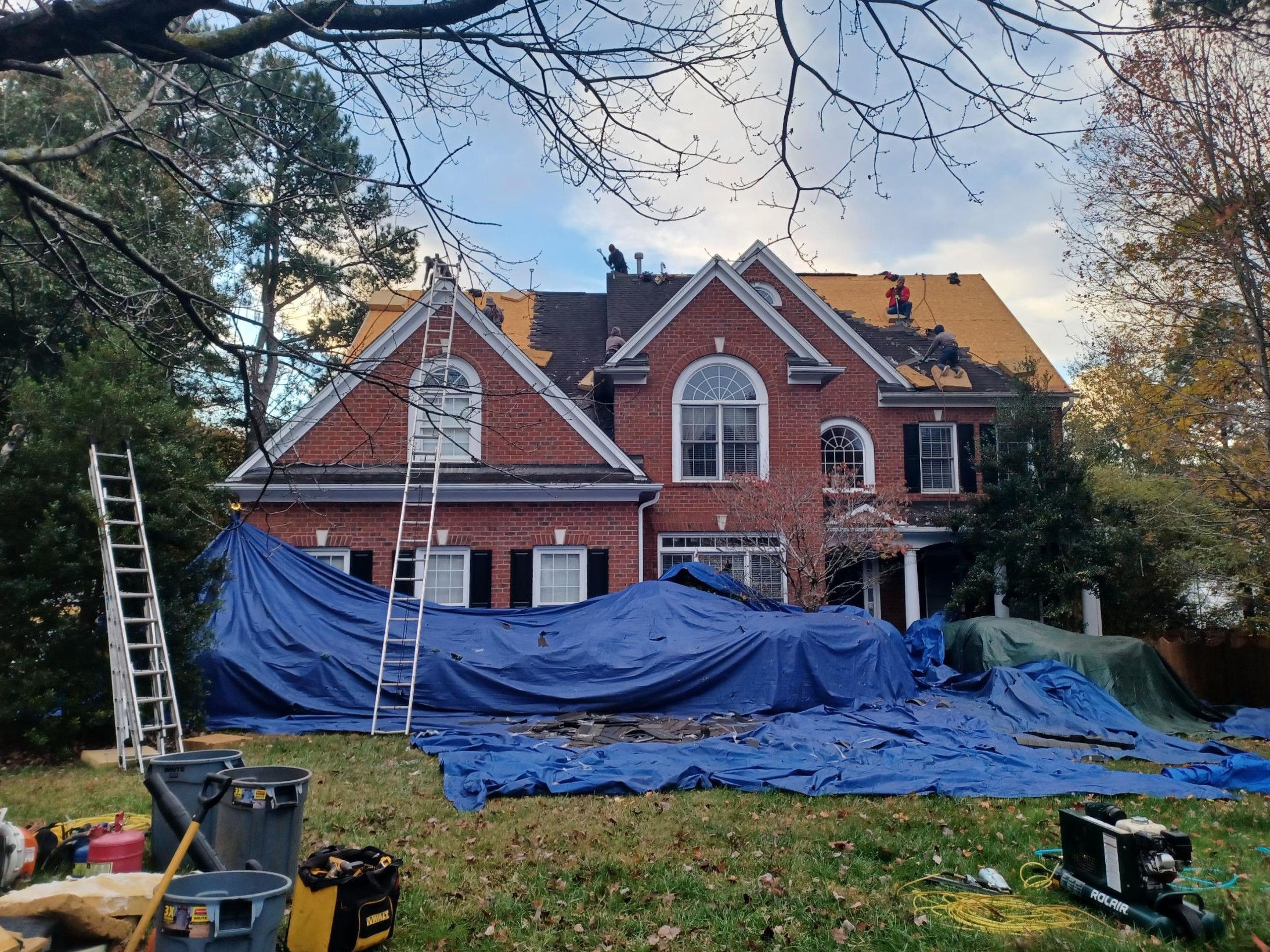
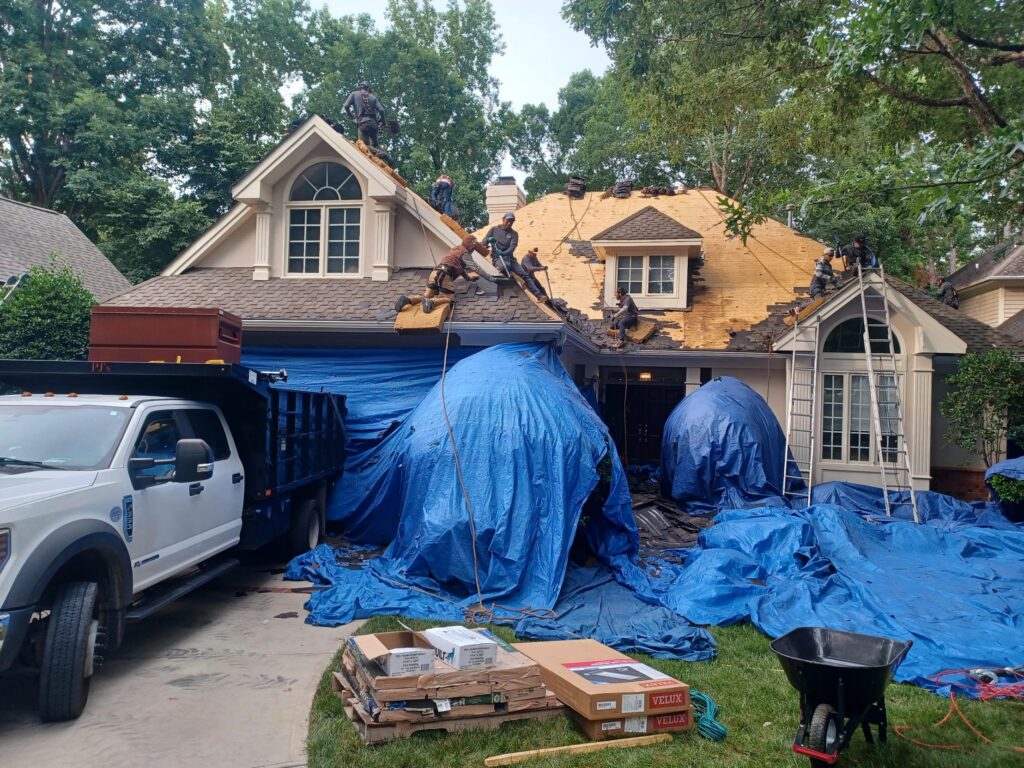
The process begins with tear‑off, where existing shingles, underlayment, and fasteners are removed. This exposes the roof decking so its condition can be properly inspected.
Tear‑off allows contractors to identify issues that could not be seen during an exterior inspection.
Step 2: Inspecting the Roof Decking
Once the roof is stripped down, the decking is evaluated for:
- Soft or spongy areas
- Rot or delamination
- Fastener pull‑through or spacing problems
Any decking that cannot securely support the roofing system is addressed before installation continues.
Step 3: Addressing Decking and Structural Issues
If damaged decking is found, affected sections are repaired or replaced as needed. This step ensures the roof system has a solid foundation.
Skipping this step can lead to premature roof failure, even with new materials installed.
Step 4: Installing Underlayment and Protection Layers
After the deck is prepared, underlayment and protective components are installed. These layers provide moisture resistance and act as a secondary defense beneath the shingles.
Ice‑ and water‑shield may also be installed in vulnerable areas such as eaves, valleys, and roof penetrations.
Step 5: Installing Shingles and Roofing Materials
Shingles or other roofing materials are installed according to manufacturer specifications and local building code requirements.
Proper fastening patterns and alignment are critical to wind resistance and long‑term roof performance.
Step 6: Flashing, Vents, and Final Details
Flashing is installed or replaced around chimneys, skylights, walls, and roof penetrations. Vents and accessories are also secured at this stage.
These components help prevent leaks and support proper attic ventilation.
Step 7: Cleanup and Final Inspection
Once installation is complete, the site is cleaned and the roof is visually inspected to confirm proper installation.
Any documentation, workmanship warranties, or next‑step guidance is provided after completion.
Building Standards and the Roof Replacement Process
Roof replacement must meet current building and safety standards to ensure proper fastening, ventilation, and overall structural performance.
The National Roofing Contractors Association Roofing Guidelines Glossary provides clear definitions for common roofing terms and components referenced during the replacement process, including decking, underlayment, flashing, fasteners, and ventilation systems.
How Decking Fits Into Roof Replacement
Decking concerns are most commonly addressed during full roof replacement projects, when the structural components of the roof are fully exposed.
For a deeper explanation of how damaged decking is evaluated and replaced locally, see our guide to roof decking replacement in Apex, North Carolina.
Bottom line: The roof replacement process follows clear, methodical steps designed to protect your home and ensure long‑term performance. Knowing what happens at each stage helps homeowners feel prepared and confident before work begins.
FAQ: Roof Replacement Process in North Carolina
What happens during the tear-off stage of a roof replacement?
During tear-off, the old shingles, underlayment, and damaged materials are removed down to the decking. This allows the roofing team to inspect the structure and ensure a solid foundation for the new roof.
Why is decking inspection important?
Decking inspection identifies soft spots, rot, or structural issues that must be repaired before installing new shingles. A strong, dry deck ensures long-term roof performance and prevents future leaks.
What is installed after the tear-off is complete?
Roofers install underlayment, flashing, drip edge, starter shingles, and then the main shingle system. Each layer protects the home from water intrusion and improves durability.
How long does a typical roof replacement take?
Most roof replacements in the Raleigh–Durham area take one day, depending on roof size, weather, and the complexity of the project.
What happens during the final inspection?
The roofing team checks shingle alignment, flashing installation, ventilation components, and seals. They also clean up debris and ensure the roof meets manufacturer and local code standards.
Get your free inspection today—no obligation, perfect for on-the-go homeowners.
Schedule Your FREE Roof Inspection Now
Call: (919) 906-3791 | Family-owned | Serving Apex, Cary, Raleigh, Holly Springs, Fuquay-Varina & Triangle NC