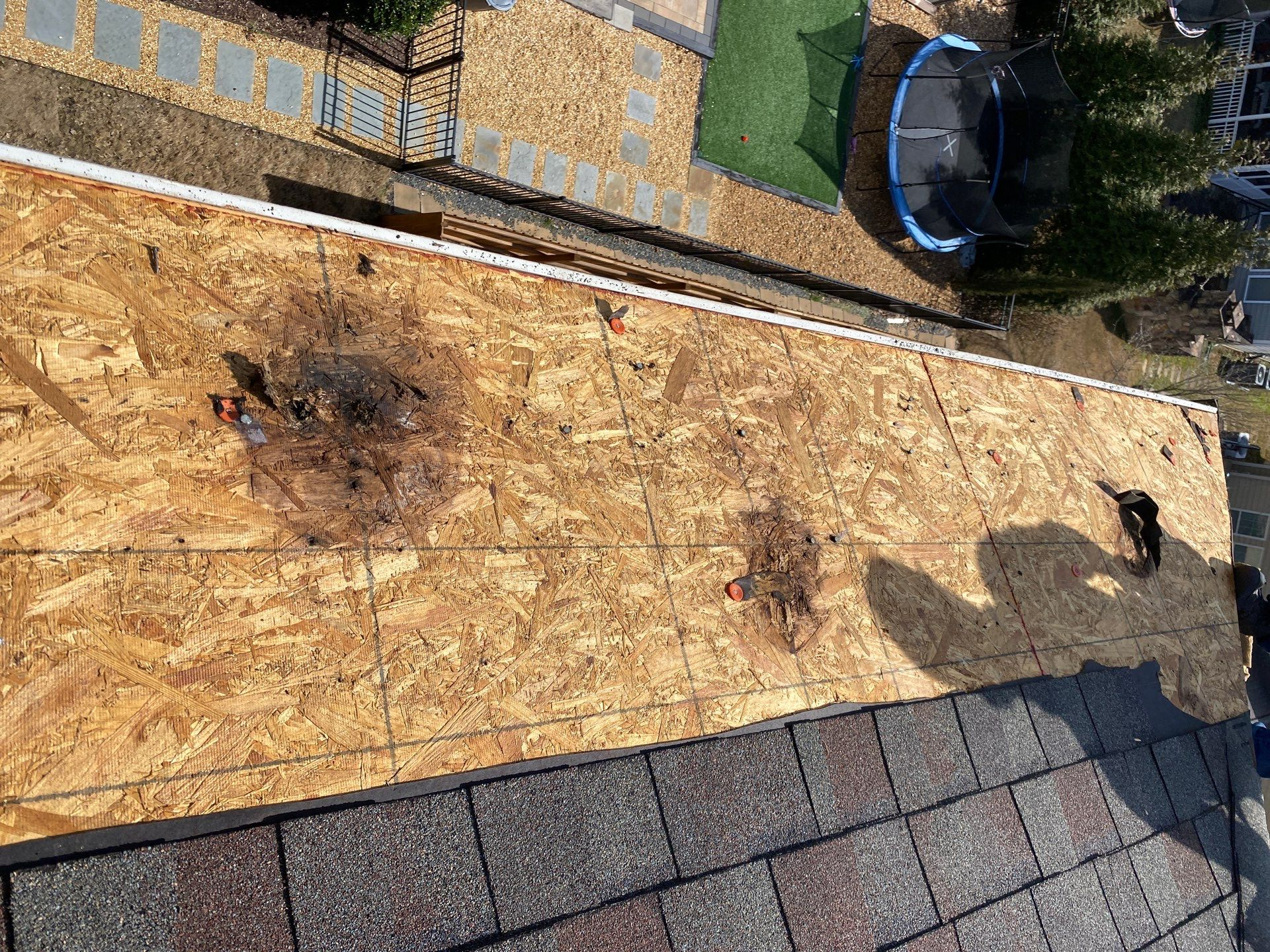
Can Ignoring a Small Roof Leak Really Cause Major Damage?
Yes.
Many homeowners assume a small ceiling stain or occasional drip is something they can deal with later.
Unfortunately, roof leaks rarely stay small for long.
What begins as a minor roofing issue can eventually affect insulation, drywall, roof decking, framing, and other areas of the home.
For homeowners throughout Apex, Cary, Holly Springs, and surrounding communities, North Carolina’s humidity often accelerates moisture-related damage by slowing the drying process inside attics and wall cavities.
That is why even a small roof leak deserves prompt attention.
Why Roof Leaks Often Look Smaller Than They Really Are
One of the most common surprises during a roof inspection is discovering that the visible leak is not where the problem started.
Water can travel along roof decking, rafters, and framing members before finally becoming visible inside the home.
A small stain on your ceiling may actually be connected to a roofing issue several feet away.
This is one reason professional roof inspections can be valuable after storms, heavy rain, or whenever water stains appear unexpectedly.
Learn more about roof inspections in our Roof Inspection Resources.
What Happens When a Roof Leak Is Left Unrepaired?
The longer a leak remains active, the greater the likelihood of secondary damage.
Many homeowners are surprised by how quickly repair costs can increase when water continues entering the home.
| Problem Area | If Addressed Early | If Ignored |
|---|---|---|
| Roof Leak | Minor repair | Major repair project |
| Ceiling Damage | Small touch-up | Drywall replacement |
| Insulation | Limited moisture exposure | Widespread replacement |
| Mold Risk | Lower risk | Potential remediation required |
| Repair Costs | Typically lower | Often significantly higher |
Addressing roof leaks early often gives homeowners more repair options and helps prevent additional damage.
How Roof Leaks Affect Attics
The attic is often the first place where moisture problems develop.
Since many homeowners rarely enter their attic, damage can continue unnoticed for months.
Common signs of roof-leak-related attic issues include:
- Wet insulation
- Musty odors
- Dark stains on wood framing
- Moisture buildup
- Visible mold growth
North Carolina attics already endure significant heat and humidity during much of the year.
When roof leaks introduce additional moisture, conditions can deteriorate much faster.
Can a Roof Leak Cause Mold?
It can.
Mold growth becomes more likely whenever moisture remains trapped inside a home for extended periods.
Areas commonly affected include:
- Attic insulation
- Roof decking
- Drywall
- Wall cavities
- Wood framing
The Environmental Protection Agency recommends addressing water intrusion quickly to reduce the risk of mold-related problems.
Additional information is available from the https://www.epa.gov/moldEnvironmental Protection Agency.
How North Carolina Weather Makes Roof Leaks Worse
Local weather patterns create unique challenges for homeowners throughout the Triangle area.
Factors that may accelerate roof-leak damage include:
- High humidity levels
- Wind-driven rain
- Tropical storms and hurricane remnants
- Heavy summer thunderstorms
- Tree canopy debris accumulation
Many homes throughout neighborhoods such as Lochmere, MacGregor Downs, Bella Casa, and surrounding communities have mature trees that can trap moisture on roofing systems after storms.
This combination of weather and shade can increase the amount of time roofing materials remain wet.
Homeowners can monitor severe weather through the National Weather> and https://www.noaa.gov/NOAA.
What Are the Most Common Causes of Roof Leaks?
Roof leaks are not always caused by missing shingles.
Some of the most common sources we identify during inspections include:
- Damaged flashing
- Pipe boot failures
- Nail pops
- Storm damage
- Chimney flashing problems
- Skylight issues
- Aging roofing materials
Many of these issues can be repaired if discovered early enough.
Waiting too long often allows water intrusion to spread into other areas of the home.
Can Gutters Contribute to Roof Leaks?
Absolutely.
Clogged or improperly functioning gutters can cause water to back up under roofing materials and contribute to fascia and soffit damage.
Proper drainage plays a major role in protecting both the roof and the home’s foundation.
Homeowners interested in improving drainage performance can learn more from https://qualityseamlessgutters.com/Quality Seamless Gutters.
When Is a Roof Leak an Emergency?
Some roof leaks require immediate attention.
You should contact a roofing professional promptly if you notice:
- Active water intrusion
- Sagging ceilings
- Bulging drywall
- Electrical concerns near the leak
- Rapidly increasing interior damage
Even if the leak appears minor, scheduling a professional inspection can help determine the extent of the problem.
Repair or Replacement: Which Do You Need?
Not every roof leak requires a roof replacement.
The appropriate solution depends on the age of the roof, the extent of the damage, and the overall condition of the roofing system.
| Condition | Repair Often Works | Replacement May Be Recommended |
|---|---|---|
| Single flashing issue | Yes | Rarely |
| Small isolated leak | Yes | Rarely |
| Multiple leak locations | Sometimes | Often |
| Extensive aging | Limited benefit | Often |
| Widespread storm damage | Sometimes | Frequently |
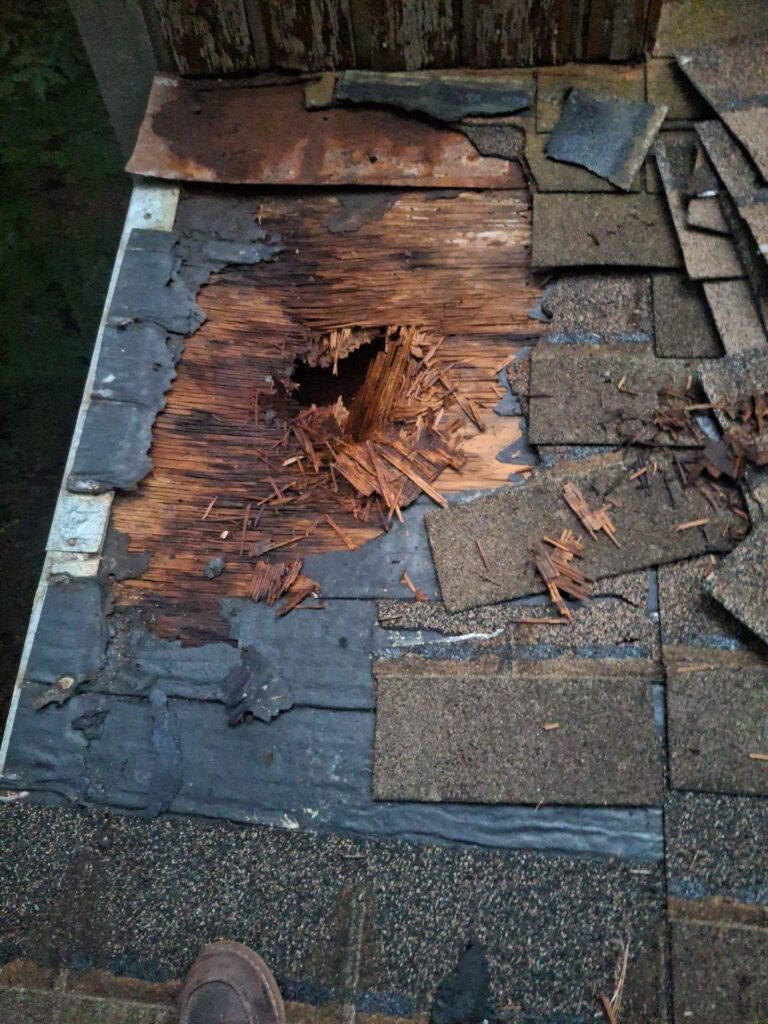
Learn more about roof replacement planning in our Roof Replacement Resources.
Final Thoughts
A small roof leak can create much larger problems than most homeowners realize.
Water intrusion often affects areas that cannot be seen from inside the home until significant damage has already occurred.
For homeowners throughout the Triangle area, identifying leaks early and scheduling professional inspections after storms can help prevent unnecessary repairs and extend the life of the roofing system.
Get your free inspection today—no obligation, perfect for on-the-go homeowners.
Schedule Your FREE Roof Inspection Now
Call: (919) 906-3791 | Family-owned | Serving Apex, Cary, Raleigh, Holly Springs, Fuquay-Varina & Triangle NC