Understanding What Actually Impacts Roof Replacement Costs
Roof replacement costs are often misunderstood. Many homeowners assume that size or material choice alone determines price, but roofing is a system-level project. Certain conditions can significantly increase overall cost, while other factors have far less impact than most people expect.
Understanding the difference helps homeowners, HOAs, and property managers plan accurately and avoid surprises during the replacement process.
Structural Conditions Beneath the Roof Surface
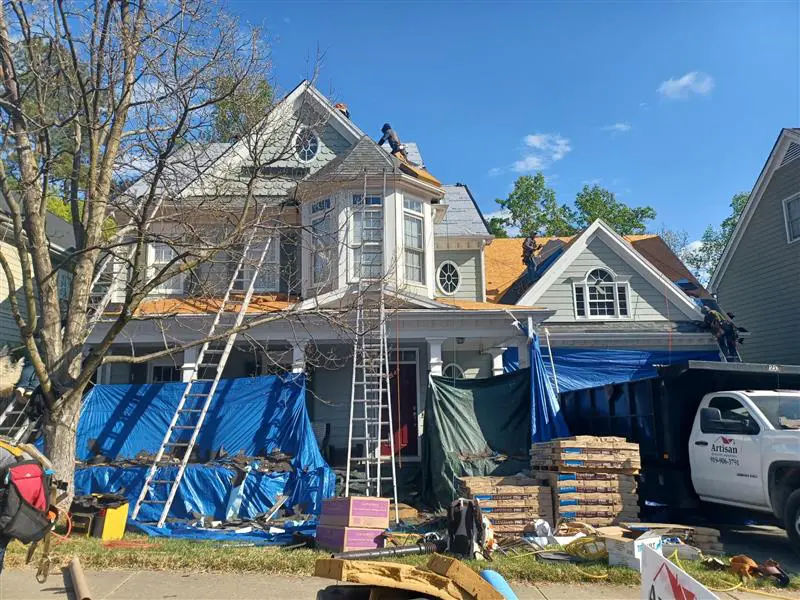
One of the largest cost drivers in roof replacement is the condition of the structure beneath the shingles. Damaged decking, moisture intrusion, or long-term deterioration must be corrected before a new roof system can be installed properly.
These conditions are common on aging roofs and properties where ventilation or drainage issues have gone unaddressed for years.
Roof Complexity and Design
The design of a roof strongly influences labor and safety requirements. Steeper slopes, multiple valleys, dormers, intersecting rooflines, and complex geometries all increase installation time and difficulty.
Two roofs with the same square footage can have very different replacement costs based solely on design complexity.
Ventilation and Airflow Corrections
Poor attic ventilation contributes to heat buildup and moisture retention, which can shorten the life of roofing materials. Correcting ventilation during roof replacement improves long-term performance and helps meet manufacturer installation requirements.
While these corrections may increase upfront investment, they reduce the likelihood of premature roof failure.
Access, Landscaping, and Site Conditions
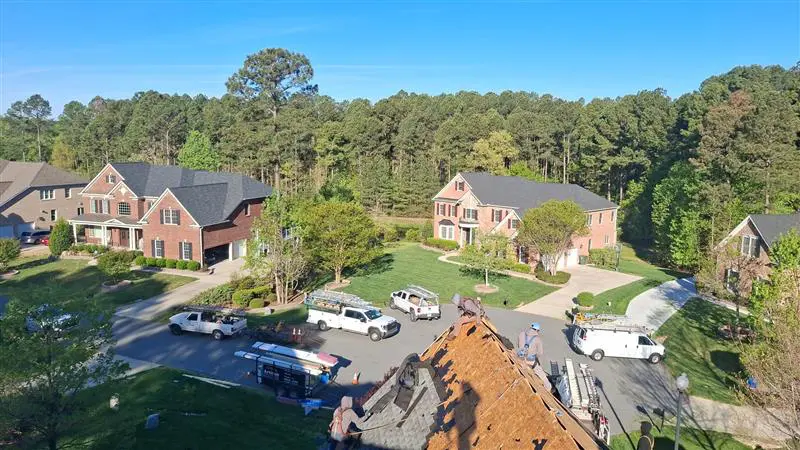
Limited access, shared drive lanes, steep terrain, and extensive landscaping require additional planning and protection. Managing work zones safely can increase labor time and site setup costs.
These factors affect both single-family homes and larger managed properties.
Occupied and Multi-Unit Properties
Roof replacement for townhomes, HOAs, assisted living facilities, and other occupied properties involves additional coordination and phased scheduling. Maintaining safety and minimizing disruption requires careful sequencing and communication.
These complexities are reflected in project planning and overall cost.
Material Quality Versus Perceived Cost Drivers
Contrary to popular belief, upgrading to commonly used architectural materials usually does not create the largest cost increase. Labor, safety requirements, and underlying structural conditions typically influence pricing more than surface material upgrades.
Industry guidance from the National Roofing Contractors Association emphasizes evaluating roofing systems holistically rather than comparing estimates based solely on material cost.
What Typically Does Not Increase Roof Replacement Cost as Much
Minor color changes, modest size differences, and standard material upgrades often have a limited impact on total project cost compared to structural repairs or complex roof designs.
Understanding this distinction allows homeowners to focus on decisions that improve performance and longevity.
Planning Roof Replacement with Accurate Expectations
Accurate pricing starts with evaluating real conditions during a professional inspection. Consumer guidance from the North Carolina Department of Insurance highlights the importance of documentation and realistic expectations when planning roofing projects.
Homeowners seeking experienced local support can explore roof replacement options in Apex, NC, as well as nearby communities such as Cary and Raleigh.
Roof replacement planning often includes drainage considerations. Coordinating roofing work with properly designed seamless gutter systems supports long-term water management and foundation protection.
Get your free inspection today—no obligation, perfect for on-the-go homeowners.
Schedule Your FREE Roof Inspection Now
Call: (919) 906-3791 | Family-owned | Serving Apex, Cary, Raleigh, Holly Springs, Fuquay-Varina & Triangle NC