What Is Roof Decking?
What is roof decking? Roof decking is the structural wood layer attached to your roof’s framing that supports everything above it, including underlayment, flashing, and shingles. While it’s hidden from view once a roof is installed, it plays a critical role in roof performance and durability.
This guide explains what roof decking is, how it works, and why its condition matters during roof repairs or replacements.
What Roof Decking Does in a Roofing System
Roof decking, also referred to as roof sheathing, is fastened directly to rafters or trusses. Every component of your roofing system relies on it.
- Provides a solid surface for fastening shingles and underlayment
- Distributes weight evenly across roof framing
- Helps maintain a flat, secure roof surface
If the decking can’t securely hold fasteners, even a new roof can fail prematurely.
Common Types of Roof Decking
Most residential homes use one of two decking materials:
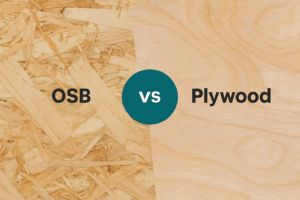
- OSB (Oriented Strand Board): Manufactured from compressed wood strands and commonly used in modern construction
- Plywood: Made from layered wood veneers and often found in older homes or special applications
Both materials are approved for residential roof construction when properly installed.
Roof Decking vs Roof Sheathing
The terms “roof decking” and “roof sheathing” are often used interchangeably. Both refer to the same structural layer beneath the roofing materials.
You may see either term used in inspection reports, roofing estimates, or building code references.
Why Roof Decking Matters During Roof Replacement
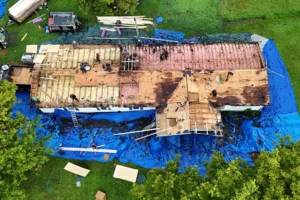
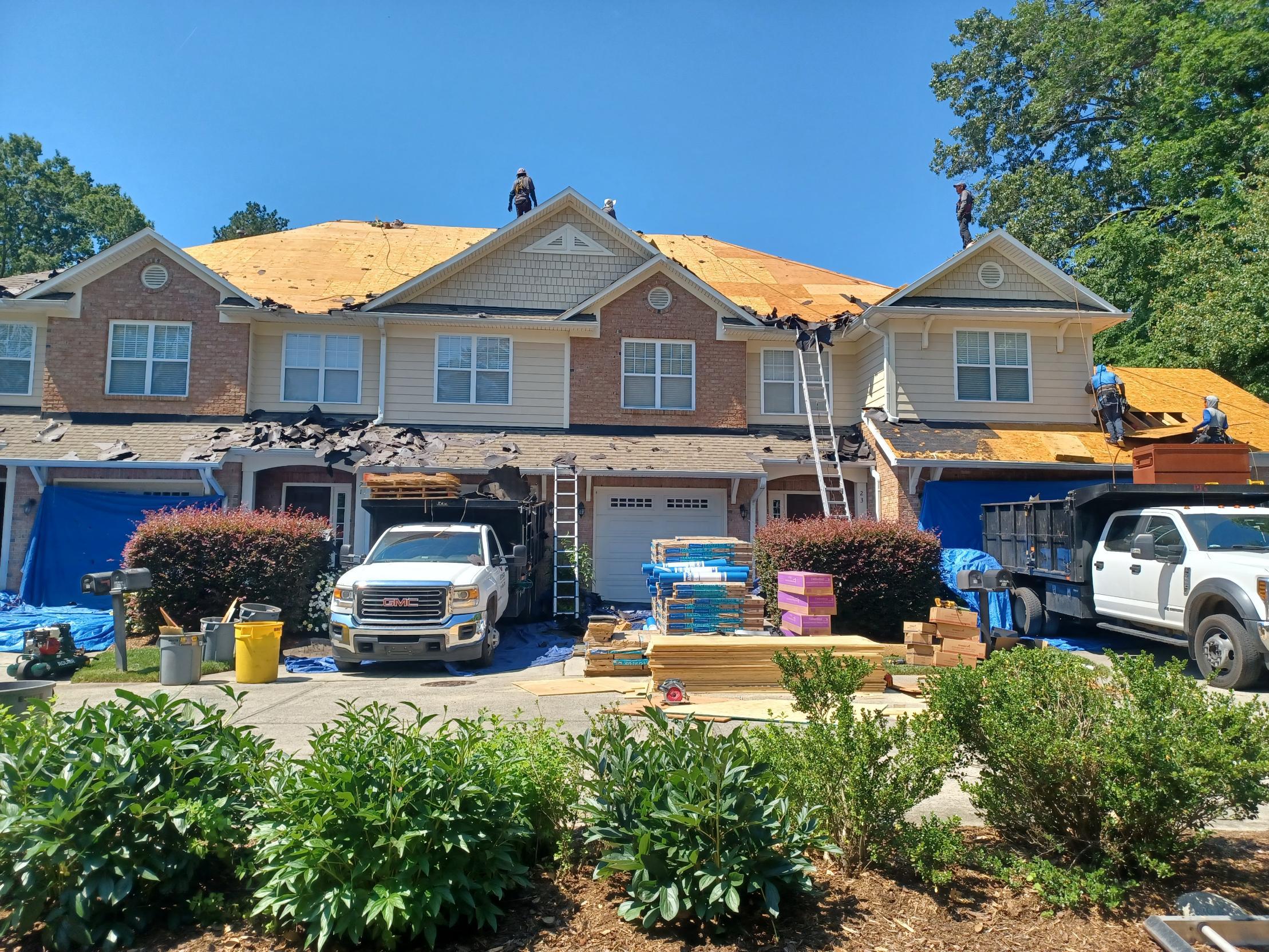
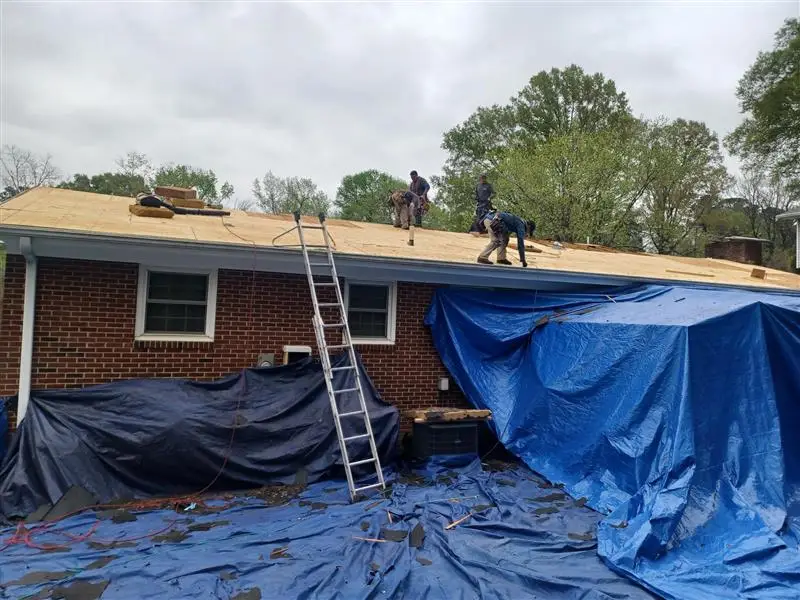
When a roof is replaced, the decking is exposed so it can be inspected for damage, moisture issues, or fastening problems.
If damaged decking is not addressed, new shingles may not lay flat, nails may not hold properly, and moisture problems can develop beneath the new roof.
What Can Damage Roof Decking?
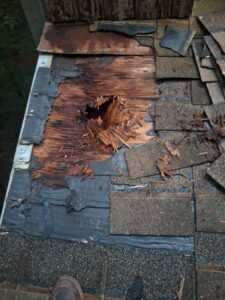
Roof decking typically deteriorates due to environmental or installation factors rather than age alone.
- Long-term roof leaks or flashing failures
- Poor attic ventilation trapping heat and moisture
- Improper fastening during past roof installations
- Storm damage that allows water intrusion
Moisture is the leading cause of decking damage in most homes.
How Roof Decking Is Evaluated
Decking condition is usually evaluated after shingles are removed. This allows the entire surface to be inspected for:
- Soft or spongy areas
- Rot or delamination
- Fastener pull‑through or spacing issues
Any sections that do not meet structural or fastening requirements are addressed before new roofing materials are installed.
Building Codes and Roof Decking Requirements
Roof decking must meet current building code requirements to ensure safe fastening and wind resistance.
Guidance from the North Carolina Department of Insurance notes that structural roof components must meet safety standards regardless of insurance or warranty coverage.
Learning More About Roof Decking Replacement
If you’d like a deeper explanation of when roof decking needs to be repaired or replaced, see our guide to roof decking replacement in Apex, NC .
Bottom line: Roof decking is the foundation of your roofing system. Understanding what it is and how it affects roof performance helps homeowners make informed decisions during repairs or replacements.