What Types of Roofing Materials Work for North Carolina Homes?
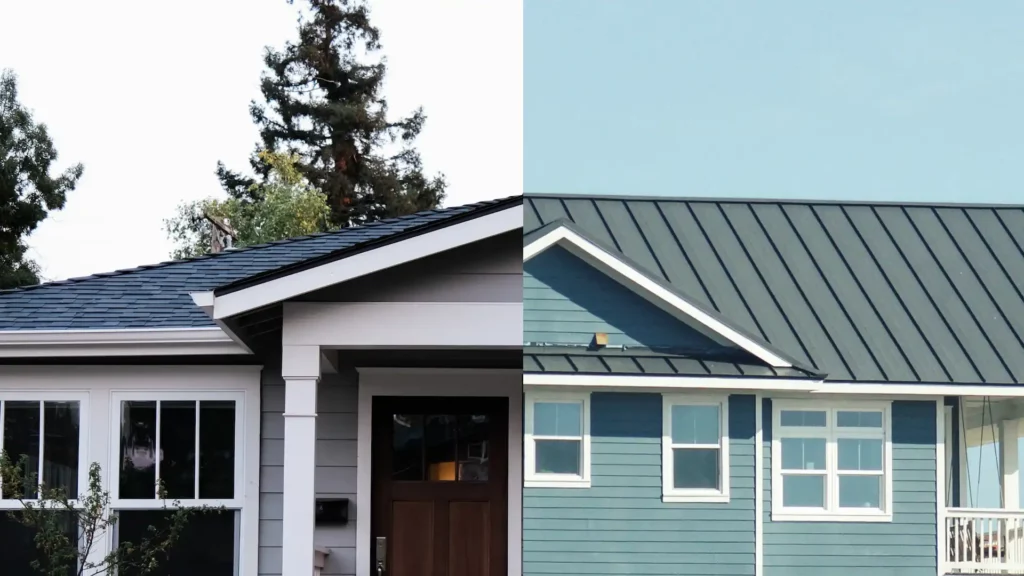
North Carolina homeowners can choose from architectural asphalt shingles, metal roofing, composite or synthetic products, natural slate, clay or concrete tile, and membrane systems for low-slope roof areas. The right roofing material depends on the home’s design, roof slope, budget, maintenance expectations, neighborhood requirements, and the homeowner’s long-term plans.
Homes throughout the Triangle also face summer heat, humidity, heavy rain, tropical weather, wind-driven rain, pollen, tree debris, and algae growth. The visible roof covering matters, but underlayment, flashing, decking, ventilation, penetrations, installation, and drainage also affect how the completed roofing system performs.
Residential Roofing Materials Compared
| Roofing Material | Major Advantage | Important Consideration | Good Fit For |
|---|---|---|---|
| Architectural asphalt shingles | Balance of value, appearance, and availability | Product quality, ventilation, and installation affect performance | Many conventional residential roofs |
| Metal roofing | Long-term durability and low moisture absorption | Higher initial investment and specialized installation | Long-term homeowners and compatible roof designs |
| Composite or synthetic roofing | Can reproduce slate or wood-shake appearances | Specifications and warranties vary by product | Homes needing a specialized architectural appearance |
| Natural slate | Distinctive appearance and potential longevity | Weight, structure, installation, and repair requirements | Premium or specialty homes with compatible framing |
| Clay or concrete tile | Distinctive architectural style | Weight and structural compatibility | Custom homes designed for tile systems |
| Low-slope membrane roofing | Designed for roof areas where shingles may not be appropriate | The system must match the roof’s slope and construction | Low-slope additions, porches, and roof sections |
Architectural Asphalt Shingles
Architectural asphalt shingles are a practical option for many homes throughout the Triangle. They are available in numerous colors, profiles, and product lines, making them compatible with many traditional residential styles.
Asphalt shingles generally fall into three-tab and architectural categories. Architectural shingles use a dimensional profile, while three-tab shingles have a flatter and more uniform appearance.
Why Do Homeowners Consider Architectural Shingles?
- Numerous color and profile choices
- A familiar appearance for many residential neighborhoods
- Compatibility with many conventional steep-slope roof designs
- Individual damaged areas may be repairable
- A lower initial investment than many premium materials
Homeowners comparing these products can read our guide to the different types of asphalt roofing shingles.
Metal Roofing
Metal roofing is an alternative for homeowners who place greater emphasis on long-term ownership, low moisture absorption, and reduced routine maintenance.
Metal roofing is available in different profiles, metals, finishes, fastening systems, and colors. Those differences matter. Homeowners should compare the actual roofing system rather than assuming every metal roof performs or looks the same.
What Should You Consider Before Choosing Metal?
- The initial project investment
- The home’s architectural style
- Applicable HOA requirements
- The roof’s slope and complexity
- The installer’s experience with the selected system
- The specific manufacturer’s installation requirements
For a closer decision-stage comparison, see our metal roof versus asphalt shingles guide.
Composite and Synthetic Roofing
Composite and synthetic roofing products are manufactured to create specific appearances, including products designed to resemble slate or wood shake.
This category includes products with different materials, testing standards, installation methods, and warranty terms. Homeowners should compare the exact product specifications instead of treating all synthetic roofing as one system.
Questions to Ask About a Synthetic Roofing Product
- Is the product appropriate for the roof’s slope and design?
- What type of roof deck or underlayment does the manufacturer require?
- What maintenance does the product require?
- What portions of the warranty are prorated?
- Does the HOA permit the selected profile and color?
Natural Slate Roofing
Natural slate is a specialty material valued for its appearance and potential longevity. It is also much heavier than a conventional asphalt shingle system.
The structure, roof design, slate type, fastening method, flashing details, installation requirements, and future repair needs should be evaluated before slate is selected.
Clay and Concrete Tile Roofing
Clay and concrete tile can create a distinctive appearance, but these systems are less typical of many conventional homes throughout central North Carolina.
Tile roofing introduces weight and structural considerations similar to those associated with slate. Compatibility with the home’s framing and roof design should be evaluated before the material is selected based on appearance alone.
What Roofing Material Works for a Low-Slope Roof?
Low-slope roof sections may require a membrane or another specially designed roofing system rather than the shingles installed on the steeper portions of a home.
This commonly matters on additions, porches, transitions, and other areas where water drains more slowly. The roof’s actual slope and construction should be evaluated before the covering material is chosen.
How Do North Carolina Conditions Affect Roofing-Material Selection?
Roofing comparisons written for a national audience may overlook conditions that affect homes throughout the Triangle. Local considerations can include heat, humidity, wind-driven rain, tropical systems, tree canopy, pollen, debris accumulation, and prolonged shade.
Heat and Sun Exposure
A roof with open southern or western exposure can experience different conditions from a shaded roof surrounded by mature trees.
According to the U.S. Department of Energy Guide to Cool Roofs, the “coolness” of a roof is determined by solar reflectance and thermal emittance. Cool options are available for several conventional roofing materials, so homeowners interested in this feature should compare the specifications of the actual product being considered.
Humidity, Shade, and Algae
Shaded roof areas may remain damp longer after rain. When comparing products, homeowners should consider algae resistance, tree coverage, roof orientation, ventilation, and the maintenance needed to remove accumulated organic debris.
Wind, Rain, and Tropical Weather
The National Weather Service Raleigh office provides local forecasts, current hazards, climate information, and tropical-weather resources for the region.
For homeowners throughout the Triangle, roofing material should therefore be considered together with installation details, flashing, underlayment, decking, and water drainage rather than evaluated as a standalone product.
Tree Canopy and Debris
Mature trees provide shade but can also deposit leaves, pine needles, pollen, branches, and other debris on a roof. Debris may collect in valleys and around drainage points, making roof and gutter maintenance another factor to consider when selecting a roofing system.
Does an HOA Affect Which Roofing Material You Can Choose?
It can. An HOA may regulate roof material, profile, manufacturer, product line, and color.
Homeowners should review the rules for their specific community and obtain required approvals before ordering materials. Our HOA roof replacement guide explains additional considerations for Triangle homeowners.
Don’t Overlook Roof Drainage
The roof covering moves water toward the edges of the home, but gutters and downspouts must continue moving that water toward appropriate drainage points.
Homeowners evaluating roof and drainage improvements together can review gutter installation and replacement services from Quality Seamless Gutters.
How Should You Compare Roofing Materials?
- Start with the roof design. Slope, complexity, penetrations, and structural conditions can affect which systems are appropriate.
- Consider the ownership timeline. A premium system may make more sense when long-term ownership is the goal.
- Compare the actual products. Products within the same material category can have different specifications.
- Evaluate the property exposure. Sun, shade, trees, moisture, and storm exposure can vary between nearby homes.
- Check HOA requirements. Obtain any required approvals before ordering a material or color.
- Consider the whole roofing system. The covering material cannot compensate for deficiencies in decking, flashing, ventilation, drainage, or installation.
Which Roofing Material Is Best?
There is no single roofing material that is automatically best for every North Carolina home. Architectural shingles may provide an appropriate overall balance for many conventional residential roofs, while metal, synthetic roofing, slate, tile, or a membrane system may better serve a particular roof design or homeowner priority.
The better question is which roofing material best fits the specific home, roof design, property exposure, budget, maintenance expectations, and ownership plans.
For homeowners who have narrowed the choices and want a more decision-focused comparison, read Best Roofing Materials for Your Home: Cost, Lifespan, and Value Compared.
Roofing Material FAQs
What are the main types of residential roofing materials?
Common options include asphalt shingles, metal roofing, composite or synthetic roofing, natural slate, clay or concrete tile, and membrane systems used on appropriate low-slope roof areas.
What is the best roofing material for a North Carolina home?
The right material depends on the home, roof slope, budget, ownership timeline, maintenance preferences, property exposure, appearance goals, and HOA requirements. Architectural shingles and metal roofing deserve consideration for many homes, but neither is automatically correct for every property.
Are architectural shingles different from three-tab shingles?
Yes. Three-tab and architectural shingles are both asphalt roofing products. Architectural shingles have a dimensional profile, while three-tab shingles have a flatter and more uniform appearance.
Is metal roofing better than asphalt shingles?
Neither is universally better. Metal and asphalt systems have different costs, installation requirements, appearances, maintenance considerations, and long-term characteristics.
Can an HOA restrict roofing materials?
Yes. An HOA may regulate materials, profiles, manufacturers, product lines, and colors. Homeowners should review current community requirements before making a final selection.
Does roof color affect heat absorption?
Yes. Roof surface temperature is affected by solar reflectance and thermal emittance. Homeowners should compare the tested properties of the exact product and color being considered.
Do low-slope roofs need different roofing materials?
They can. Roof slope affects drainage and the types of systems appropriate for a roof area. A low-slope section should be evaluated separately from a conventional steep-slope roof.
Get your free inspection today—no obligation, perfect for on-the-go homeowners.
Schedule Your FREE Roof Inspection Now
Call: (919) 906-3791 | Family-owned | Serving Apex, Cary, Raleigh, Holly Springs, Fuquay-Varina & Triangle NC