Why Roof Lifespan Varies So Much in North Carolina
Homeowners often hear that a roof should last “20 to 30 years,” but that range rarely reflects real conditions in North Carolina. Climate, materials, installation quality, and maintenance all play a role, and roofs in the Triangle often age differently than national averages suggest.
This guide explains how long a roof should realistically last in North Carolina, what factors shorten roof life, and how homeowners in Apex, Cary, Raleigh, and surrounding areas can better judge where their roof stands.
1. Why Roof Lifespan Varies So Much in North Carolina
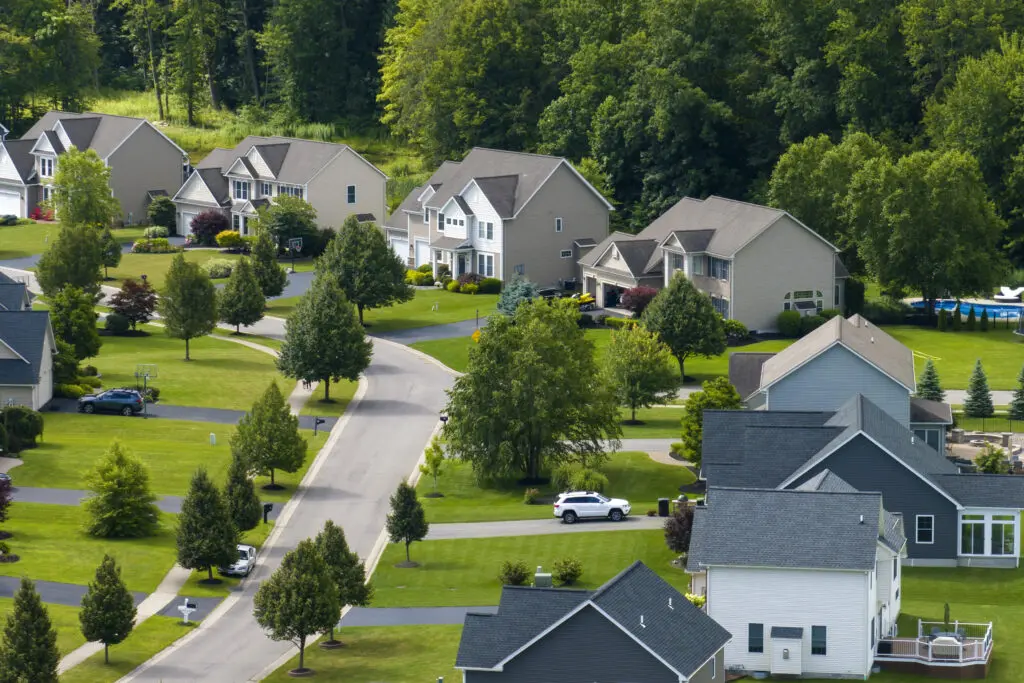
North Carolina sits in a transition climate zone, which creates challenges roofs in other regions don’t face. Extended summer heat, high humidity, seasonal storms, and occasional severe wind events all contribute to accelerated wear.
Unlike colder climates where ice damage dominates, or dry regions where UV exposure is the primary concern, roofs here deal with:
- Prolonged moisture exposure
- Heat-driven material expansion and contraction
- Wind uplift during thunderstorms and tropical systems
- Organic debris from trees common in the Triangle
Because of this, lifespan expectations need to be adjusted for local conditions.
2. Average Roof Lifespan by Material (NC Conditions)
Different roofing materials perform differently in North Carolina’s climate.
- Architectural asphalt shingles: commonly 18–25 years
- 3‑tab asphalt shingles: often 12–18 years
- Metal roofing: typically 40+ years when installed correctly
- Low‑slope / flat roofing: depends heavily on system type and drainage
These are realistic ranges, not warranty promises. Actual lifespan often depends on what’s happening underneath the roof surface.
According to the National Roofing Contractors Association (NRCA), roof lifespan is influenced far more by local climate exposure, installation quality, and ongoing maintenance than by warranty length alone. Roofing systems in humid, storm‑prone regions typically experience accelerated aging compared to roofs in drier climates.
National Roofing Contractors Association – Roofing Guidelines & Resources
3. How Roof Decking and Installation Affect Roof Longevity
A roof rarely fails because of shingles alone. The condition of the roof decking and the quality of installation play a major role in how long a roof lasts.
Decking that has absorbed moisture, lost fastener strength, or experienced repeated wet–dry cycles can cause shingles to loosen, lift, or deteriorate prematurely.
Homes that required redecking during replacement or upgraded their decking materials often see closer alignment with expected shingle lifespan.
For homeowners unfamiliar with decking materials, this comparison helps explain the differences:
Blandex vs OSB Roof Sheathing
4. Roof Aging in Apex, Cary, and the Triangle
Roof lifespan can vary even within the same county. Local factors matter.
- Homes with heavy tree coverage often experience faster aging
- Neighborhoods with limited airflow retain more moisture
- South‑ and west‑facing roof slopes degrade faster from heat exposure
- Homes with older ventilation designs age differently than newer builds
This is why two roofs installed the same year, in the same city, can show very different wear after 15 years.
5. Signs a Roof Is Near the End of Its Useful Life
Age alone does not determine when a roof should be replaced. Condition matters more.
Common indicators include:
- Shingles that curl, crack, or lose granules
- Recurring leaks or moisture staining in the attic
- Visible sagging or uneven roof lines
- Fasteners backing out or shingles lifting in wind
These signs often point to underlying issues that shorten remaining lifespan.
6. When Inspection Matters More Than Age
Many North Carolina homeowners replace roofs either too early or too late because they rely on age alone. A professional inspection provides a clearer picture.
In many cases, roofs older than 20 years still have usable life left, while others need replacement sooner due to moisture, decking concerns, or prior repair history.
Regular inspections help homeowners plan replacements proactively rather than reacting to leaks or storm damage.
Closing Thoughts
In North Carolina, roofs don’t age on a fixed schedule. Climate exposure, materials, decking condition, and installation quality all determine how long a roof truly lasts.
Understanding these factors helps homeowners make informed decisions—whether that means monitoring the roof longer, planning ahead, or taking action before problems escalate.
FAQ: Roof Lifespan in North Carolina
How long do asphalt shingle roofs typically last in North Carolina?
Most asphalt shingle roofs last 18–25 years in NC, depending on weather exposure, ventilation, and maintenance.
Does North Carolina’s climate shorten roof lifespan?
Yes. Heat, humidity, UV exposure, and seasonal storms can accelerate shingle wear, reducing lifespan compared to cooler, drier regions.
What signs indicate that a roof is nearing the end of its lifespan?
Common signs include curling shingles, granule loss, cracked shingles, frequent leaks, and visible wear around flashing or vents.
Can regular maintenance extend a roof’s lifespan?
Absolutely. Annual inspections, gutter cleaning, and prompt repairs help prevent small issues from becoming major problems.
When should homeowners consider replacing their roof instead of repairing it?
If the roof is over 20 years old, has widespread shingle damage, or experiences recurring leaks, replacement is usually more cost-effective than continued repairs.
Get your free inspection today—no obligation, perfect for on-the-go homeowners.
Schedule Your FREE Roof Inspection Now
Call: (919) 906-3791 | Family-owned | Serving Apex, Cary, Raleigh, Holly Springs, Fuquay-Varina & Triangle NC