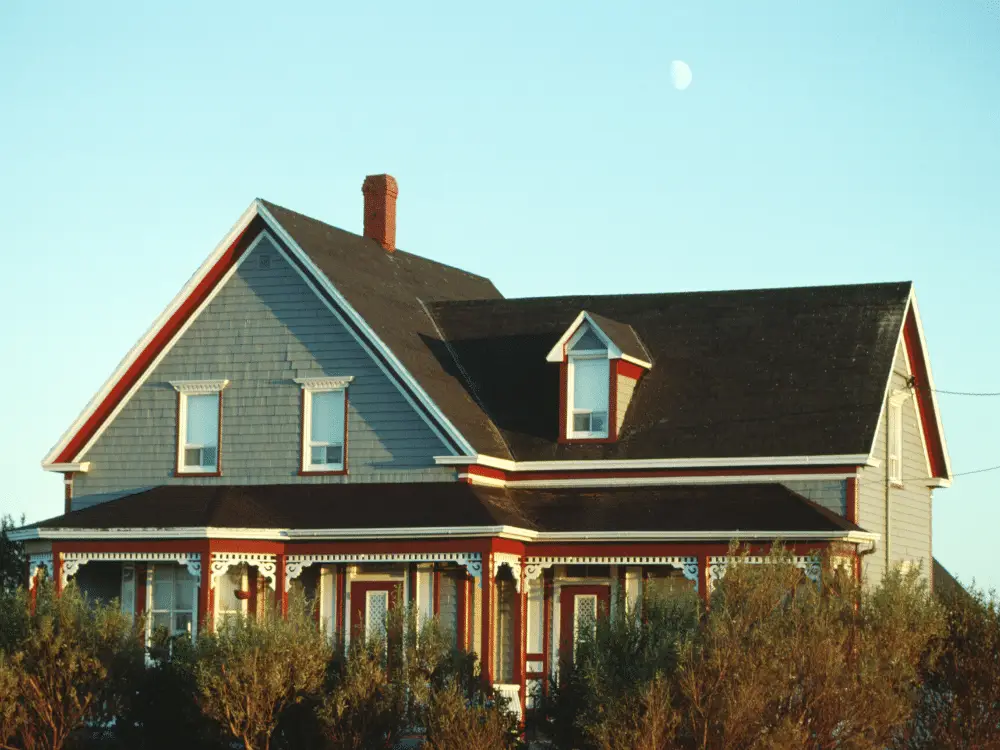
How Long Should a Roof Last in North Carolina?
1. Why Roof Lifespan Is Different in North Carolina
In the Triangle and surrounding areas like Apex, Cary, and Raleigh, roof lifespan is heavily shaped by climate. Hot summers, high humidity, heavy rain, and occasional storms all accelerate wear compared to milder regions.
According to the National Weather Service, North Carolina regularly experiences strong seasonal storms and temperature swings. Those conditions lead to thermal expansion, shingle fatigue, and faster material breakdown.
Because of this, national averages often don’t accurately reflect what homeowners can expect locally.
2. Average Lifespan by Roof Type in NC
Here’s what you can realistically expect in this area under normal conditions:
- Architectural shingles: 20–30 years
- 3-tab shingles: 15–20 years
- Metal roofing: 40–70 years
- Low-slope / modified bitumen: 15–25 years
These ranges assume proper installation and ventilation. Poor installation or attic issues can shorten lifespan significantly.
For a deeper breakdown of material differences, see Architectural vs. 3-tab shingles.
3. The Biggest Factors That Shorten Roof Life
In North Carolina, roofs rarely fail because of age alone. Most problems come from a combination of environmental and structural factors:
- Improper attic ventilation trapping heat and moisture
- Storm damage from wind or hail
- Cheap materials or rushed installation
- Standing water on low-slope sections
- Gutter issues causing water backup
If water isn’t properly directed off the roof, it can lead to decking damage over time. This is why systems like seamless gutter systems play a supporting role in roof longevity.
4. Ventilation: The Most Overlooked Lifespan Factor
One of the most common issues in local homes is poor attic ventilation. Heat buildup in summer can push shingle temperatures well beyond their rated limits.
The U.S. Department of Energy explains that proper attic ventilation helps regulate temperature and moisture, reducing long-term material degradation.
Without it, even a high-quality roof can fail years earlier than expected.

5. Repair vs. Replacement Timing
Many homeowners ask whether repairs can extend the life of their roof. The answer depends on the stage of wear.
Early issues like minor flashing damage or isolated leaks can often be repaired. But once shingles begin to curl, lose granules, or show widespread aging, repairs become temporary fixes.
If you’re weighing that decision, this guide helps clarify when each option makes sense: Roof repair vs. replacement.
6. What Homeowners in Apex and Raleigh Should Watch For
In this region, the most common signs a roof is nearing the end of its lifespan include:
- Granules collecting in gutters
- Shingles lifting or curling
- Dark streaking or moisture staining
- Soft spots in decking
- Frequent minor leaks after storms
If your roof is approaching 15–20 years old, regular inspections become more important. Small issues caught early can prevent premature replacement.
For a closer look at how decking condition impacts roof life, see: Roof decking in Apex, NC.
Closing
In North Carolina, a roof’s lifespan depends less on the label and more on how well it’s installed, ventilated, and maintained. While many roofs are marketed to last decades, local conditions often reduce that timeline.
Understanding what affects longevity helps you plan ahead, avoid premature failure, and make informed decisions about repair or replacement.
FAQ: Roof Lifespan in North Carolina Homes
How long do roofs typically last in North Carolina?
Most roofs in North Carolina last between 15–25 years depending on materials, installation quality, ventilation, and exposure to storms and heat. Architectural shingles generally last longer than 3-tab shingles.
Why do roofs age faster in the Triangle area?
Heat, humidity, UV exposure, and frequent storms all accelerate shingle wear in Raleigh, Apex, Cary, and surrounding areas. These conditions cause cracking, granule loss, and premature aging.
Does attic ventilation affect how long a roof lasts?
Yes. Poor ventilation traps heat and moisture, which shortens shingle lifespan and increases the risk of rot and mold. Proper ventilation helps regulate attic temperature and extends roof life.
Can storms shorten the lifespan of a roof?
Absolutely. Wind, hail, and flying debris can loosen shingles, break seals, and expose the roof deck. Even minor storm damage can reduce a roof’s expected lifespan.
How can homeowners extend the life of their roof?
Regular inspections, proper ventilation, timely repairs, and choosing high-quality materials all help extend roof lifespan. Addressing small issues early prevents costly damage later.
Get your free inspection today—no obligation, perfect for on-the-go homeowners.
Schedule Your FREE Roof Inspection Now
Call: (919) 906-3791 | Family-owned | Serving Apex, Cary, Raleigh, Holly Springs, Fuquay-Varina & Triangle NC