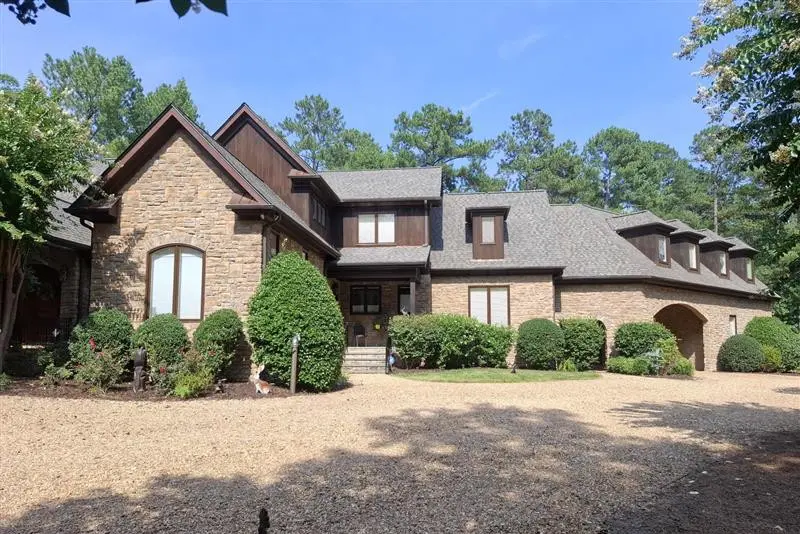
How Long Does a Roof Last in North Carolina?
Most roofs in North Carolina last between 15 and 50 years depending on the roofing material, installation quality, ventilation, maintenance, and exposure to weather. Architectural asphalt shingle roofs, the most common residential roofing system in the Triangle, typically last 20 to 30 years. Metal roofs often last 40 to 70 years, while slate roofs can exceed 100 years.
- 3-tab shingles: 15-20 years
- Architectural shingles: 20-30 years
- Premium designer shingles: 25-40 years
- Metal roofing: 40-70 years
- Cedar shake: 25-40 years
- Slate roofing: 50-100+ years
Local weather conditions play a major role in roof longevity. Across the Triangle region, humidity, severe thunderstorms, tropical systems, hail, UV exposure, pollen, algae growth, and heavy tree canopy coverage can all shorten a roof’s lifespan if maintenance is neglected.
Average Lifespan of Common Roofing Materials
| Roofing Material | Typical Lifespan | Maintenance Level |
|---|---|---|
| 3-Tab Asphalt Shingles | 15-20 Years | Moderate |
| Architectural Shingles | 20-30 Years | Low to Moderate |
| Premium Designer Shingles | 25-40 Years | Low |
| Standing Seam Metal Roofing | 40-70 Years | Low |
| Cedar Shake Roofing | 25-40 Years | High |
| Slate Roofing | 50-100+ Years | Low |
Manufacturer warranties may advertise longer timeframes, but actual performance depends heavily on maintenance, weather exposure, ventilation, and installation quality.
How Long Do Popular Shingle Roofs Last?
Shingle quality can significantly affect lifespan.
| Shingle Type | Expected Lifespan |
|---|---|
| Basic 3-Tab Shingles | 15-20 Years |
| Architectural Shingles | 20-30 Years |
| Premium Designer Shingles | 25-40 Years |
Many homes throughout Apex, Cary, Holly Springs, Fuquay-Varina, and surrounding communities are protected by architectural shingles because they provide a strong balance between affordability, durability, and curb appeal.
Why Roofs Age Faster in North Carolina
Many homeowners are surprised to learn that local weather conditions can dramatically impact roof lifespan.
High Humidity
North Carolina’s humid climate creates ideal conditions for algae, mold, and mildew growth. Over time, excessive moisture can accelerate roofing deterioration.
Summer Heat and UV Exposure
Constant ultraviolet exposure gradually breaks down roofing materials. Shingles may become brittle, lose granules, crack, or curl as they age.
Severe Storms and Hurricanes
Tropical systems, thunderstorms, hail, and high winds can cause hidden damage that reduces roof longevity.
Tree Canopy and Debris
Large trees provide valuable shade, but they can also trap moisture, deposit debris, and increase the risk of falling branches during storms.
Pollen and Organic Growth
Heavy pollen seasons combined with moisture create ideal conditions for algae and moss growth on roof surfaces.
What Should You Expect at Different Roof Ages?
10-Year-Old Roof
Most roofs remain in excellent condition at this age and usually only require routine maintenance and periodic inspections.
15-Year-Old Roof
Homeowners should begin scheduling annual inspections and monitoring for granule loss, flashing issues, and storm-related wear.
20-Year-Old Roof
Many asphalt shingle roofs begin showing visible signs of aging. Minor leaks, curling shingles, and granule loss become more common.
25-Year-Old Roof
The roof may still perform effectively, but replacement planning often becomes a smart long-term strategy.
30-Year-Old Roof
Many asphalt roofing systems are approaching the end of their useful life and should be carefully evaluated by a qualified roofing contractor.
7 Signs Your Roof May Be Near the End of Its Lifespan
-
- Missing or damaged shingles
- Granules collecting in gutters
- Curling or buckling shingles
- Recurring roof leaks
- Dark algae streaks
- Visible sagging areas
- The roof is approaching its expected lifespan
When multiple symptoms appear simultaneously, replacement may be more economical than continued repairs.
Repair or Replace? How to Decide
| Situation | Repair | Replace |
|---|---|---|
| Minor Storm Damage | ✓ | |
| Isolated Missing Shingles | ✓ | |
| Localized Flashing Damage | ✓ | |
| Multiple Leaks | ✓ | |
| Widespread Shingle Failure | ✓ | |
| Roof Near End of Lifespan | ✓ | |
| Recurring Repairs | ✓ |
Generally, repairing a newer roof with isolated damage makes financial sense. However, replacing an aging roof often becomes more cost-effective when repairs become frequent.
Can Storm Damage Shorten a Roof’s Life?
Yes. Even if a roof does not leak immediately after a storm, hidden damage can reduce its remaining lifespan.
- Lifted shingles
- Damaged flashing
- Granule loss
- Water intrusion
- Punctures from debris
- Compromised underlayment
Following major weather events, a professional inspection can identify issues before they become expensive repairs.
How Much Does Roof Replacement Cost When a Roof Reaches the End of Its Life?
Roof replacement pricing depends on roof size, material selection, roof complexity, ventilation requirements, accessibility, and the condition of the underlying roof decking.
Because every home is different, the most accurate way to determine replacement costs is through a professional roof inspection and estimate.
Does Home Insurance Cover an Aging Roof?
Homeowners insurance generally covers sudden accidental damage caused by covered events such as windstorms or hail. Normal aging, wear and tear, lack of maintenance, and gradual deterioration are typically not covered.
Coverage varies by carrier and policy, so homeowners should review their policy details and speak directly with their insurance provider.
How Often Should Roof Inspections Be Scheduled?
- Once per year
- After severe storms
- Before buying a home
- Before selling a home
- More frequently after the roof reaches 15 years of age
Routine inspections often help identify small issues before they develop into significant repair costs.

How to Help Your Roof Last Longer
- Keep gutters clean and functioning properly
- Trim overhanging tree branches
- Address repairs promptly
- Maintain proper attic ventilation
- Remove storm debris quickly
- Schedule annual inspections
- Treat algae and moss growth when necessary
Preventive maintenance is typically far less expensive than premature roof replacement.
Related Resources
- Roof Replacement Services
- Professional Roof Repair Services
- Seamless Gutter Installation & Replacement
Helpful Resources
- National Roofing Contractors Association Roofing Resources
- National Weather Service Forecasts & Storm Alerts
- FEMA Disaster Preparedness for Homeowners
- Hurricane Preparedness Guide
Frequently Asked Questions
How long does a roof last in North Carolina?
Most roofs in North Carolina last between 15 and 50 years depending on the roofing material, installation quality, maintenance practices, and exposure to severe weather.
How long do architectural shingles last?
Architectural shingles typically last 20 to 30 years when properly installed and maintained. Regular inspections and timely repairs can help maximize their lifespan.
What type of roof lasts the longest?
Slate roofs generally offer the longest lifespan and can last more than 100 years when professionally installed and well maintained.
Can a roof last 40 years or more?
Yes. Many metal roofing systems and other premium roofing materials can exceed 40 years of service when properly maintained.
What factors shorten a roof’s lifespan?
Common causes of premature roof aging include storm damage, poor attic ventilation, excessive heat, algae growth, moisture intrusion, and deferred maintenance.
How do I know when my roof needs replacement?
Signs that a roof may need replacement include recurring leaks, widespread shingle damage, sagging areas, significant granule loss, and advanced age relative to the material’s expected lifespan.
How long does a metal roof last?
Most residential metal roofing systems last between 40 and 70 years, making them one of the longest-lasting roofing options available.
Does attic ventilation affect roof lifespan?
Yes. Proper attic ventilation helps regulate temperature and moisture levels, reducing stress on roofing materials and extending overall roof life.
Does North Carolina weather impact roof longevity?
North Carolina’s humidity, UV exposure, severe storms, tropical systems, wind-driven rain, pollen, and seasonal temperature changes can all contribute to roofing wear over time.
How can I determine how much life my roof has left?
A professional roof inspection is the most reliable way to evaluate your roof’s condition and estimate its remaining service life. A qualified roofer can identify hidden issues that may not be visible from the ground.
Get your free inspection today—no obligation, perfect for on-the-go homeowners.
Schedule Your FREE Roof Inspection Now
Call: (919) 906-3791 | Family-owned | Serving Apex, Cary, Raleigh, Holly Springs, Fuquay-Varina & Triangle NC