What Is Included in a Professional Roof Inspection?
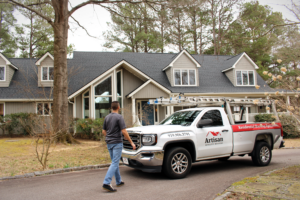
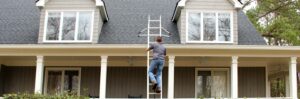
A professional roof inspection evaluates the visible condition of your roofing system and identifies damage, deterioration, installation concerns, and potential sources of water intrusion.
Depending on the roof and the type of inspection requested, the evaluation may include shingles, flashing, pipe boots, roof vents, ridge caps, valleys, gutters, drainage, visible decking concerns, accessible attic areas, and signs of storm damage.
After the inspection, you should understand what was found and whether your roof needs routine monitoring, preventative maintenance, an isolated repair, additional investigation, or replacement planning.
For homeowners throughout the Triangle, an inspection can be especially helpful after severe storms, wind-driven rain, falling limbs, or unexplained interior water stains. The exact inspection process depends on the roof’s height, slope, accessibility, materials, weather conditions, and the reason for the evaluation.
What Does a Roof Inspector Look For?
| Inspection area | What may be evaluated |
|---|---|
| Shingles | Missing, loose, cracked, lifted, curled, or damaged shingles |
| Flashing | Separation, deterioration, improper installation, and possible water-entry points |
| Pipe boots | Cracking, aging rubber, failed seals, or movement around penetrations |
| Roof vents | Damage, loose components, failed seals, and visible ventilation concerns |
| Ridge caps | Missing, damaged, deteriorated, or poorly secured materials |
| Valleys | Debris buildup, surface wear, and drainage concerns |
| Gutters | Loose sections, debris, storm damage, and visible drainage problems |
| Roof decking | Sagging, uneven areas, soft spots, and other visible warning signs |
| Attic areas | Moisture, staining, condensation, and ventilation concerns when accessible |
| Storm exposure | Wind, hail, fallen limbs, and debris-related conditions |
| Previous repairs | Deteriorated sealants, temporary patches, and recurring trouble spots |
What Types of Roof Inspections Are Available?
Not every homeowner needs the same type of inspection. The appropriate approach depends on the concern and the documentation required.
Storm-Damage Roof Inspection
A storm-damage inspection evaluates visible roofing conditions after wind, hail, falling limbs, or flying debris may have affected the property.
An inspector may look for:
- Missing or displaced shingles
- Lifted or creased shingles
- Surface damage or granule loss
- Damaged flashing
- Loose roof vents
- Limb or debris impacts
- Gutter damage
- Interior evidence of water intrusion
The National Weather Service’s post-storm safety guidance provides information about safely assessing property conditions after a severe-weather threat has ended.
Homeowners who suspect storm damage can also review Artisan’s guide to wind-damaged roofs and insurance claims.
Drone Roof Inspection
A drone inspection can capture photographs of roof areas that may be difficult or unsafe to access on foot.
Drone imagery may be useful for:
-
- High roofs
- Steep roof slopes
- Hard-to-reach sections
- Roof-slope overview photographs
- Visible storm-damage documentation
A drone does not necessarily replace every other inspection method. Some conditions may require closer physical evaluation, examination from an accessible attic, or additional investigation.

Informal Roof Inspection
An informal inspection may be appropriate when something seems wrong, but a formal written report is not required.
Common reasons include:
- A suspected roof leak
- Missing shingles
- Visible roof wear
- Aging materials
- Flashing concerns
- Unexplained water staining
- Questions about an isolated problem
The purpose is to evaluate the concern and explain whether monitoring, maintenance, repair, or further investigation may be appropriate.
Formal Roof Inspection
A formal inspection may be useful for buyers, sellers, real estate professionals, or homeowners who need more detailed documentation.
Depending on the agreed scope, a formal report may include:
- Photographs
- Written observations
- Explanations of visible roof conditions
- Identified concerns
- Recommended next steps
The scope and type of documentation should be discussed before the inspection.
Roof Inspection vs. Roof Tune-Up
| Roof inspection | Roof tune-up |
|---|---|
| Evaluates the roof’s condition | Combines evaluation with specified maintenance work |
| Identifies visible concerns | May address qualifying minor concerns |
| May include photographs or a report | May include minor sealing or component work |
| Helps determine the appropriate next step | Focuses on preventative maintenance |
| May follow a storm, leak, or property transaction | Usually addresses routine wear |
When Should a Roof Be Inspected?
Consider a professional roof inspection when:
- A severe storm has affected the area
- Shingles are visible in the yard
- Water stains appear on a ceiling or wall
- An accessible attic shows signs of moisture
- Roofing components appear loose or damaged
- A tree limb or debris has struck the roof
- The roof is aging and its condition is uncertain
- A home is being purchased or sold
- Repeated repairs have been necessary
- You are deciding between repair and replacement
- Skylights, solar panels, or other roof-mounted equipment are being considered
Homeowners should not climb onto a roof to perform a close inspection. Roof slopes, loose materials, moisture, and storm debris can create unsafe conditions.
Why Triangle Roofs Need Local Attention
Homes throughout the Triangle experience weather and environmental conditions that can make professional roof inspections worthwhile.
Wind-Driven Rain and Severe Storms
Heavy rain accompanied by wind can expose vulnerabilities around flashing, penetrations, valleys, and damaged shingles.
The National Weather Service’s severe-thunderstorm guidance explains that severe storms can produce hail and winds capable of damaging roofs, trees, vehicles, and other property.
Mature Trees and Debris
Many neighborhoods in Apex, Cary, Raleigh, Holly Springs, and surrounding Triangle communities have mature tree coverage.
Branches, leaves, pine needles, and other debris can collect in roof valleys and gutters. Falling limbs may also affect shingles, flashing, gutters, and roof decking.
Humidity and Attic Moisture
Central North Carolina’s humid conditions can make attic ventilation and moisture management important parts of a roofing evaluation.
Moisture staining, condensation, or inadequate airflow may indicate that the roof and attic should be examined more closely.
What Should You Check After a Storm?
After the weather threat has ended, homeowners can safely look from the ground for:
- Missing shingles
- Shingle pieces in the yard
- Bent or detached gutters
- Fallen limbs
- Damaged siding
- Debris resting on the roof
- Water stains inside the home
- Dampness in accessible attic areas
- Loose flashing or displaced roofing materials
Not all storm damage can be seen from the ground. A lifted shingle may settle back into position even though its seal or structure has been affected.
A professional post-storm inspection can help distinguish cosmetic conditions from damage that may require maintenance or repair.
How Does Artisan Inspect a Roof?
The inspection process should be adapted to the property, roof design, accessibility, and reason for the evaluation.
Exterior Roof Evaluation
The exterior evaluation may include:
- Shingles and ridge caps
- Flashing and pipe boots
- Roof vents and penetrations
- Valleys and drainage areas
- Visible storm damage
- Granule loss
- Sagging or uneven areas
- Gutter alignment
Photographs may be used to document visible conditions so the homeowner can see the areas being discussed.
Attic and Interior Evaluation
When attic or interior access is available and relevant, the evaluation may look for:
- Moisture
- Water staining
- Signs of active leakage
- Ventilation concerns
- Visible structural issues
- Interior conditions that may be connected to a roofing problem
If attic access is unavailable, the limitations of the exterior evaluation should be explained.
Findings and Recommendations
After the inspection, the homeowner should understand:
- What was observed
- Which areas may need attention
- Which conditions can be monitored
- Whether maintenance or repair may be practical
- Whether further evaluation is recommended
- Whether replacement planning should be considered
- Which portions of the roof could not be evaluated
For a more detailed explanation, see how Artisan Quality Roofing inspects a residential roof.
What Happens After a Roof Inspection?
The next step depends on what the inspection reveals.
| Inspection result | Possible next step |
|---|---|
| No significant concerns | Continue monitoring and routine care |
| Minor maintenance needs | Consider a roof tune-up |
| Isolated component damage | Obtain a repair scope |
| Possible active leak | Investigate and address the likely entry point |
| Storm-related damage | Review photographs and applicable policy requirements |
| Widespread deterioration | Discuss repair limitations and replacement planning |
| Decking concerns | Conduct further evaluation before installing new materials |
| Inconclusive findings | Consider attic access or additional investigation |
Not every inspection leads to a repair, and not every damaged roof requires replacement.
The appropriate recommendation depends on the extent of the problem, the overall roof condition, the reliability of a proposed repair, and the condition of the supporting materials.
When Does an Inspection Lead to Repair or Replacement?
A repair may be practical when damage is isolated and the surrounding roofing system remains serviceable.
Examples may include:
- A limited number of damaged shingles
- A failed pipe boot
- An isolated flashing problem
- A small leak with an identifiable entry point
- Localized storm damage
Raised shingles may result from fastener movement, moisture, damaged decking, or an installation concern. Artisan’s guide to roof nail pops and common repair considerations explains why raised fasteners should be evaluated.
Replacement may be considered when isolated repairs are unlikely to provide a dependable long-term solution.
Potential indicators include:
- Widespread shingle deterioration
- Repeated leaks in multiple areas
- Extensive storm damage
- Soft or deteriorated roof decking
- Multiple failing components
- Materials that cannot be repaired reliably
- A history of recurring repairs without lasting results
Homeowners can review when roof-inspection findings may point to replacement for more information about decking concerns and replacement planning.
Does a Roof Inspection Include Gutters?
Gutters and drainage matter because water must move away from the roof edge and the home.
Visible concerns may include:
- Loose or separated sections
- Storm-related damage
- Debris accumulation
- Overflow evidence
- Poor alignment
- Damage caused by falling branches
A roof inspection is not necessarily a complete gutter-system assessment. If a drainage problem is identified, Quality Seamless Gutters can provide a separate gutter evaluation.
Frequently Asked Questions About Roof Inspections
What does a professional roof inspection include?
A professional inspection may include shingles, flashing, pipe boots, roof penetrations, vents, ridge caps, valleys, gutters, visible decking conditions, accessible attic areas, and signs of leakage or storm damage.
Is a drone inspection a complete roof inspection?
Not always. A drone can capture useful images of high or difficult-to-access areas, but some conditions may require closer physical evaluation, attic access, or additional investigation.
Should my roof be inspected after a severe storm?
An inspection may be appropriate after damaging wind, hail, fallen branches, flying debris, or signs of water intrusion. Wait until the severe-weather threat has ended and do not climb onto the roof.
Does every inspection lead to a repair?
No. An inspection may identify no significant concerns, routine maintenance needs, isolated damage, or conditions requiring further evaluation.
Does a roof inspection mean I need a new roof?
No. Many findings can be addressed through monitoring, maintenance, or repair. Replacement may be considered when deterioration is widespread or repairs are unlikely to provide a dependable result.
Will an inspection find the source of a leak?
An inspection may identify the likely source, but some leaks require additional investigation because water can travel before becoming visible inside the home.
Can an inspection determine whether insurance covers damage?
A roofing inspection can document visible conditions. The insurance company determines whether the damage is covered under the homeowner’s individual policy.
What should I receive after an inspection?
You should receive a clear explanation of visible findings, relevant photographs when included, any inspection limitations, and practical recommendations for monitoring, maintenance, repair, or replacement planning.
Get your free inspection today—no obligation, perfect for on-the-go homeowners.
Schedule Your FREE Roof Inspection Now
Call: (919) 906-3791 | Family-owned | Serving Apex, Cary, Raleigh, Holly Springs, Fuquay-Varina & Triangle NC